
Understanding Seagull Calls and Their Meanings
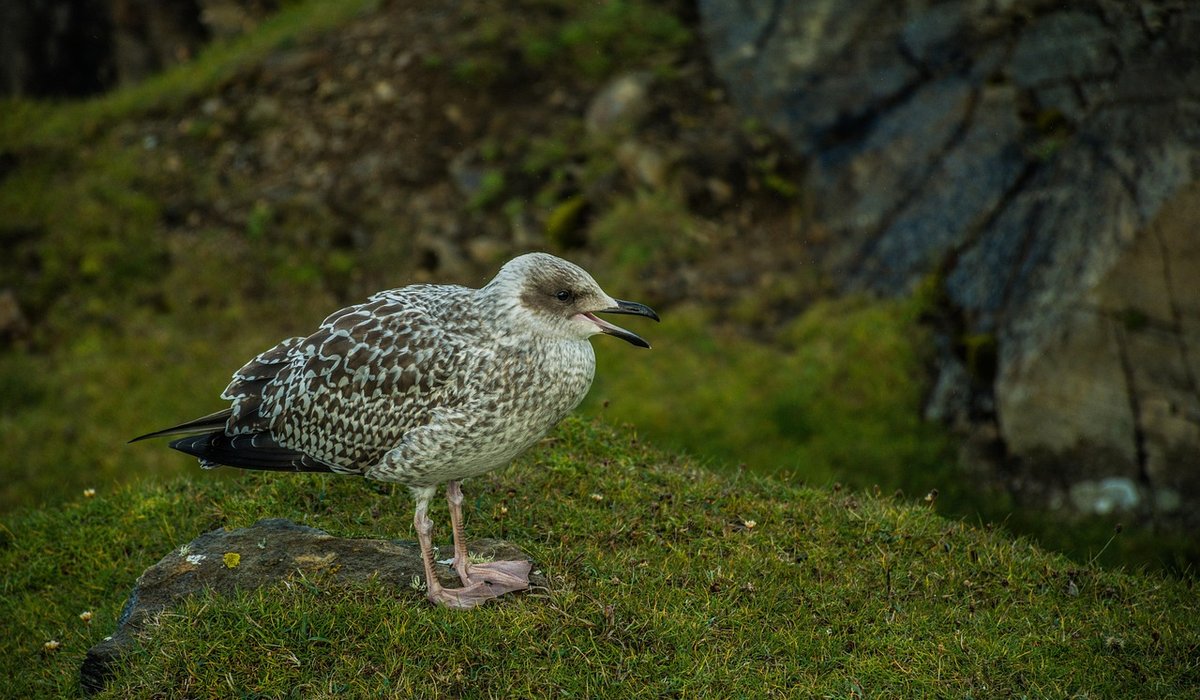
Few sounds say "British seaside" quite like the cry of a gull. Whether you are eating chips on a promenade in Cornwall or watching the sun set over Whitby, the calls of herring gulls and their relatives are constant companions. But those calls are not just noise. They are a rich language of warning, begging, bonding and negotiation. Learning to read them turns a raucous chorus into a fascinating conversation.
The Long Call: A Gull's Signature Announcement
The long call is the most recognisable gull sound: a series of loud, laughing notes that rise and fall, often ending in a lower, drawn-out note. You will hear it most often in spring and early summer, when birds are establishing territory and attracting mates. A herring gull performing the long call will typically throw its head back, then bring it forward as the call reaches its peak. The message is straightforward: "This is my patch, and I am here."
Pay attention to who is calling. A male herring gull often gives the long call from a rooftop or post, while his mate may reply with a softer version. If you hear two birds calling back and forth, you are likely listening to a pair reinforcing their bond. The long call is also used to warn off intruders, so if it is directed at you, you are probably too close to a nest.
The Mew Call: Begging and Bonding
The mew call is a soft, high-pitched, plaintive note, repeated at intervals. It sounds a little like a cat's meow, hence the name. You will hear it from chicks begging for food, but also from adults. Female gulls often use it when soliciting food from their mate during courtship, and chicks use it constantly to keep their parents' attention.
In summer, a chorus of mewing from a rooftop means there are hungry youngsters up there. The adult will respond by regurgitating food or bringing back scraps. If you hear a mew call from an adult on the ground, it may be a bird that has learned to associate people with food. It is not aggressive, but it is persistent. The best response is to ignore it and keep your picnic covered.
Alarm and Distress Calls: Reading the Warning Signs
When a gull spots a threat, it switches to a sharp, staccato alarm call: a series of short, clipped notes that sound urgent and repetitive. You will hear this when a dog approaches a nesting colony, or when a peregrine falcon passes overhead. The alarm call spreads quickly through a group, and other gulls will often take flight or dive at the intruder.
A distress call is even more intense: a loud, harsh scream, often given when a bird is caught or injured. It is designed to startle a predator and summon help from other gulls. If you hear this, back away. You are either near a trapped bird or a nest that is under serious threat. Never handle a distressed gull yourself; contact a local wildlife rescue if needed.
The Yelp, the Laugh and the Chuckle: Aggression and Excitement
Gulls have a range of shorter calls for close-quarters interactions. The yelp is a high-pitched note that drops sharply in pitch, often given when one bird is being chased or pecked. It is a submissive signal, meaning "I give up, leave me alone." You will hear it during squabbles over food or space on a rooftop.
The laugh is a rapid series of notes that sounds like someone chuckling. It is often used during aggressive encounters, such as when two gulls are fighting over a chip. It can also be a sign of excitement, particularly when a group is feeding. Listen for the "chuckle" call: a low, repeated note that pairs give to each other when they are relaxed and close, reinforcing their pair bond.
Seasonal and Regional Variations
Gull calls change with the seasons. In winter, you will hear fewer long calls and more mewing and yelping as birds compete for food. In spring, the long call dominates as pairs form and territories are claimed. Black-headed gulls, common on inland waters and coasts, have a different repertoire: their main call is a harsh, laughing "krreearr", often given in flight.
Regional accents exist too. Research has shown that herring gulls in different parts of the UK have slightly different call structures, much like human dialects. A gull in Aberdeen may sound subtly different from one in Plymouth. So next time you are by the sea, listen closely. You might not understand every word, but you will start to recognise the tone, the urgency and the meaning behind the noise.
With a little practice, you can tell whether a gull is warning, begging or simply chatting. That knowledge makes coastal walks richer, and it helps you avoid accidental conflicts with these intelligent, adaptable birds. Keep your distance from nests, secure your food, and enjoy the soundtrack of the British coast.


Even a small seaside balcony can attract birds with native plants, shallow water and sheltered nesting spots away from predators.
These charismatic seabirds return to specific cliff colonies each spring. Discover respectful ways to watch them without causing disturbance.
Keep your food safe and gulls wild by choosing covered bins, avoiding hand-feeding and eating away from nesting areas.
Dawn offers calm conditions and active birds. Learn how to plan a productive coastal walk before the crowds arrive.