
Creating a Wildlife-Friendly Balcony for Coastal Birds
Why a Balcony is a Coastal Haven
If you live by the British coast, your balcony is a tiny cliff edge in the sky. Birds already use natural ledges, so a well-planned balcony can become a lifeline for species struggling with habitat loss. But not all coastal birds are the same. A blue tit or a wren will happily visit a fifth-floor flat, while a herring gull might see your space as a potential nest site. The trick is to welcome the small, vulnerable birds while gently discouraging the large, boisterous ones. With a few thoughtful touches, even a modest seaside balcony can become a wildlife haven.
Planting for Shelter and Natural Food
Native coastal plants are the backbone of any bird-friendly balcony. They provide seeds, insects, and cover from wind and rain. Choose salt-tolerant species that thrive in pots. Sea thrift (Armeria maritima) forms tight cushions of pink flowers and attracts insects. Sea campion (Silene uniflora) offers white blooms and soft foliage. Rosemary, lavender, and heather are excellent for bees and butterflies, which in turn feed hungry chicks. For autumn and winter seeds, try sea buckthorn (in a large pot) or wild carrot. Always use peat-free compost and avoid pesticides. Group pots together to create a microclimate, and leave some seed heads standing over winter. A small, dense shrub like cotoneaster can provide berries and nesting cover, but check it is a native or non-invasive variety.
A Shallow Water Source That Saves Lives
Fresh water is surprisingly scarce on a coastal balcony. Birds need it for drinking and bathing, especially in summer and during migration. A shallow dish is far safer than a deep bowl. Fill a ceramic or plastic saucer with water and add a few flat pebbles so birds can perch without getting soaked. Change the water daily to prevent disease and mosquito larvae. In hot weather, top it up twice a day. If you have space, a small solar fountain adds movement, which attracts birds from a distance. But keep it shallow—no more than 5 cm deep. Avoid adding chemicals or algaecides. In winter, check the water isn't frozen; a ping-pong ball floating on the surface can keep a small hole open.
Nesting Boxes and Sheltered Spots
Small birds need safe places to raise young, away from cats, rats, and larger gulls. Mount nest boxes high on a wall, at least 2 metres above the floor, and face them between north and east to avoid overheating. For blue tits, great tits, and house sparrows, use a box with a 32 mm entrance hole. For robins, wrens, and pied wagtails, choose an open-fronted box. Fix a metal predator guard around the hole, and avoid placing boxes near ledges where cats can reach. If you have a sheltered corner, a dense climbing plant like honeysuckle or ivy (in a pot with a trellis) can offer natural nesting spots. Never disturb an active nest—it is illegal to do so under the Wildlife and Countryside Act 1981.
Living with Gulls: Enjoy from a Distance
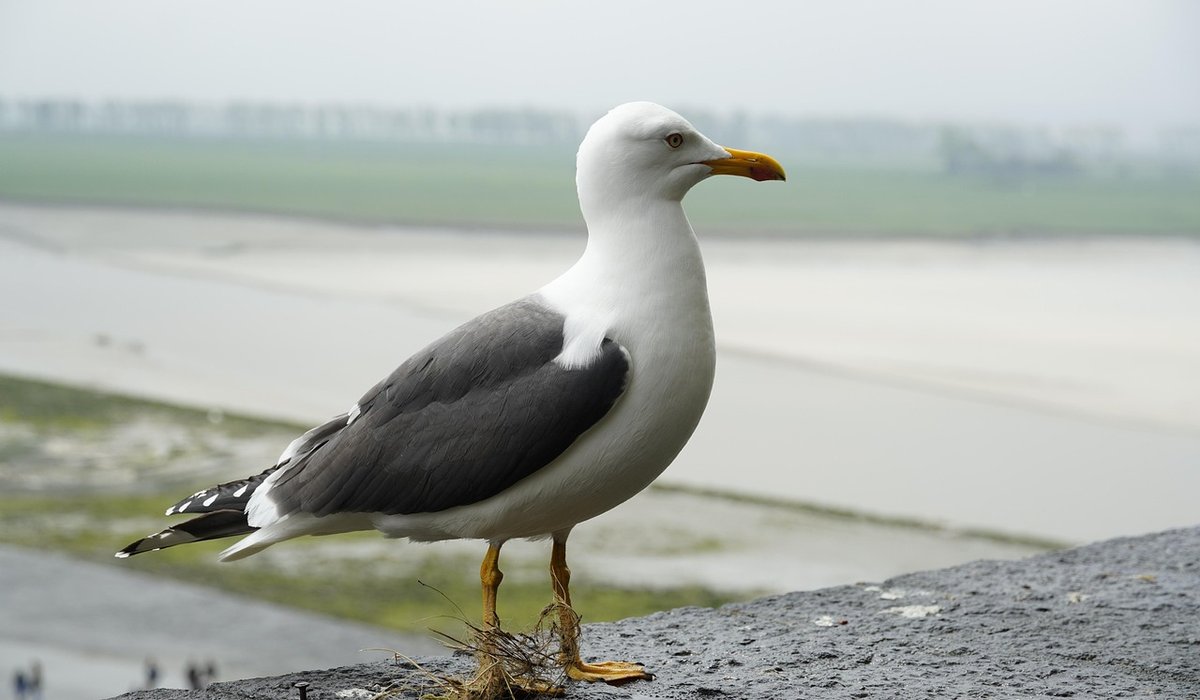
Seagulls—properly called gulls—are charismatic and intelligent, but they are also large, noisy, and messy. Herring gulls and lesser black-backed gulls are protected in the UK, and herring gulls are on the Red List of conservation concern. So we must not harm them. However, you do not want them nesting on your balcony. They can become aggressive in defence of chicks, and their droppings damage paintwork. To discourage them, never leave food out. Use a bin with a secure lid, and rinse any food waste off plates before stacking them. Avoid putting out bread or chips. If gulls start building a nest, you cannot remove it while it is active. Instead, contact your local council or a wildlife advisor. For next season, fit angled ledges or tensioned wires—never bird spikes, which can injure birds. Reflective tape or a fake owl may help briefly, but gulls quickly learn. The best strategy is to keep your balcony clean and uninviting to large birds while offering a safe haven for smaller ones.
Keeping Your Balcony Wildlife-Friendly Year-Round
Wildlife gardening is a year-round commitment. Clean feeders and water dishes weekly with hot soapy water to prevent trichomonosis and other diseases. In autumn, leave seed heads and fallen leaves in a corner for insects. In winter, provide energy-rich food like sunflower hearts and suet balls—but only if you can keep them dry and away from gulls. Check nest boxes in late winter, before the breeding season, and remove old nesting material. If you have a cat, keep it indoors or use a balcony-safe harness. Finally, be patient. It may take a few weeks for birds to find your balcony. Start with a simple water dish and a pot of lavender, and build from there. The reward—a flash of a goldfinch, the chatter of sparrows, or the flick of a wren's tail—is worth every effort.


Keep your food safe and gulls wild by choosing covered bins, avoiding hand-feeding and eating away from nesting areas.
Dawn offers calm conditions and active birds. Learn how to plan a productive coastal walk before the crowds arrive.
Tide times change where birds feed and roost. This guide helps you choose the best window for a coastal survey.
Gulls often nest on buildings. Find out how to avoid conflicts while respecting legal protections for wild birds.