
Early Morning Birdwatching on the Coast
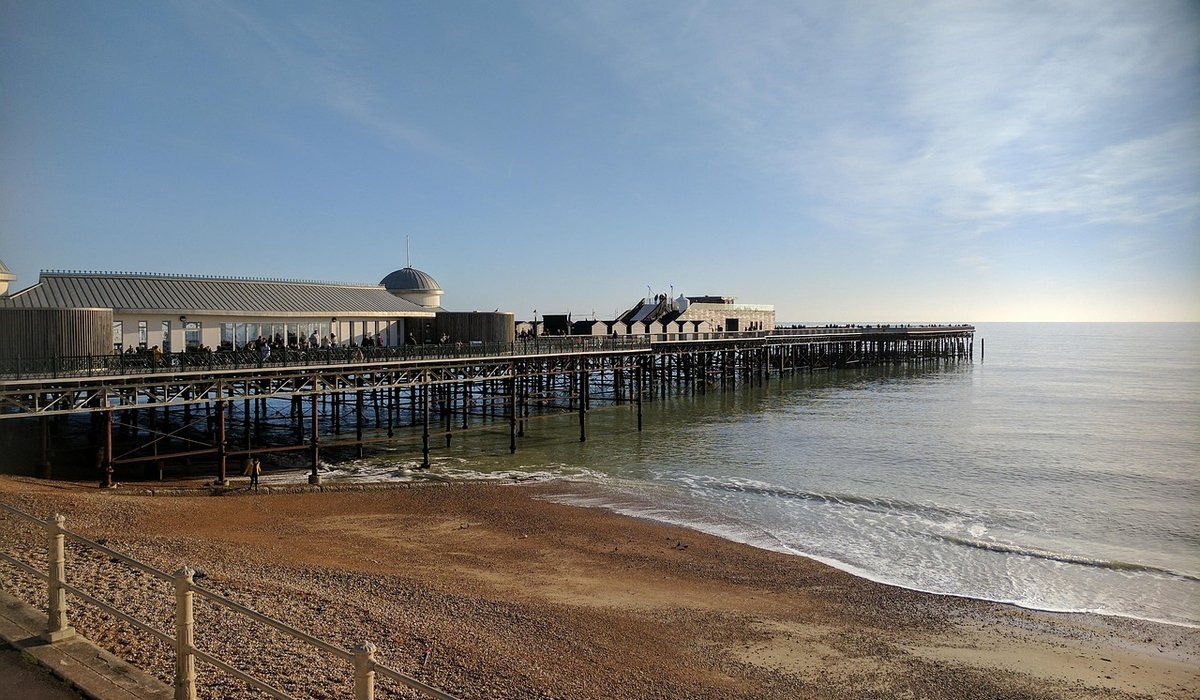
Why Dawn Beats Every Other Hour
The hour before sunrise is the quietest and most productive time on the British coast. The wind is usually at its lightest, so sound carries further and birds are less wary. Night-time roosts are breaking up, waders are moving onto freshly exposed mud and sand, and gulls are heading out to feed. You will also have the place largely to yourself: no dogs off the lead, no beach barbecues, no children running at the water's edge. Arrive about forty-five minutes before sunrise. First light is enough to see by, and the birds are at their most relaxed.
Low, angled light is a genuine advantage rather than a nuisance. Birds on the water show as clean silhouettes, and plumage that looks flat and grey at noon takes on real depth. Get into the habit of standing still for five minutes when you arrive. Half the wildlife on a beach is invisible until it moves, and it will not move while you are clumping about.
Plan Around the Tide, Not Just the Clock
Tide is the single most important thing to check, more important than the month or the weather. Get a local tide table and note the height as well as the time. On spring tides, waders are pushed up towards the strandline and the upper shore, which can put them within easy viewing distance of a coastal path. On neap tides the mudflats and sandbars stay exposed for longer, and birds feed further out, so a telescope earns its keep.
As a rule of thumb, the two hours either side of low water are best for feeding waders and wildfowl. The two hours either side of high water are best for roosting flocks, which often gather on shingle spits and saltmarsh edges. Weather matters too: a light offshore breeze after a clear night gives calm seas and good visibility, while an onshore blow brings spray, blowing sand and birds hunkered down.
Reading the Gulls
Most people say "seagull" and stop there. Britain has several common species, and dawn is a fine time to learn them because birds sit still on posts, groynes and rooftops.
- Herring gull: the classic chip-stealer. Pink legs, heavy yellow bill with a red spot on the lower mandible, pale grey back. Adults have white wingtips in winter, mottled brown heads in summer.
- Great black-backed gull: our largest gull, with a near-black back, a very heavy bill and a hunched, powerful stance. Often alone on a breakwater, and quite capable of taking a duckling or a rabbit.
- Lesser black-backed gull: dark grey back, bright yellow legs. Many arrive in spring to breed and head south again in late summer.
- Black-headed gull: much smaller, red legs and bill. In winter the head is white with a dark smudge behind the eye; in summer it wears a chocolate-brown hood.
Watch for behaviour as well as plumage. Herring gulls drop mussels and cockles onto rocks and car parks to crack them open, and they follow ploughs far inland. Juveniles of most species are brown, mottled and endearingly clueless, and they take several years to reach adult plumage.
Waders, Seabirds and the Supporting Cast
The gulls are only part of it. Sandy beaches give you sanderling chasing the retreating surf, ringed plover and dunlin, while rocky shores and estuaries hold oystercatchers, curlew, redshank and turnstone. Turnstones in winter are remarkably tame if you sit still, working along the weed line like small clockwork birds.
Look further out at first light. Gannets fold and dive with a splash you can hear, cormorants and shags fly low with trailing feet, and a peregrine may make a pass along the cliff edge. On northern and western coasts, fulmars glide stiff-winged past the headlands, and rock pipits flit along the tideline. Cold mornings concentrate birds; cold mornings with a rising tide can be spectacular.
Fieldcraft: Watch Without Disturbing
All wild birds in Britain are protected by law, and that includes their nests and eggs, so give nesting birds a wide berth and never push a bird off a nest for a photograph.
- Stay on paths or above the strandline when waders are roosting. A flushed roost costs birds energy they cannot easily replace on a freezing morning.
- Walk slowly, pause often, and use rocks, dunes and seawalls as cover. Approach diagonally rather than straight on.
- Keep dogs on a lead and away from roosts, and please do not feed gulls. Handouts make them bold, bring them into car parks and cafés, and cause real problems for other visitors.
- Carry 8x42 binoculars for general use and a telescope on a tripod if you plan to work the mudflats.
A Simple Kit List for a Productive Walk
Warm layers, waterproof over-trousers, wellington boots or sturdy boots, a flask, and a small notebook. Note the time, tide height, wind direction and what you saw; patterns emerge quickly over a season. Binoculars round your neck, a tide table in your pocket, and a plan to be back at the car park before the crowds and the car doors start slamming. Do that and you will see more in one dawn than most people see in a whole summer afternoon.


Gulls often nest on buildings. Find out how to avoid conflicts while respecting legal protections for wild birds.
Not all gulls are seagulls, and they are not simply chip thieves. Separate fact from fiction with this clear guide.
Magnification, waterproofing and field of view matter at the seaside. These practical tips help you pick suitable optics.
Explore the shoreline without disturbing nesting birds. Keep a respectful distance and follow local wildlife guidance at all times.