
What to Do If You Find an Injured Gull
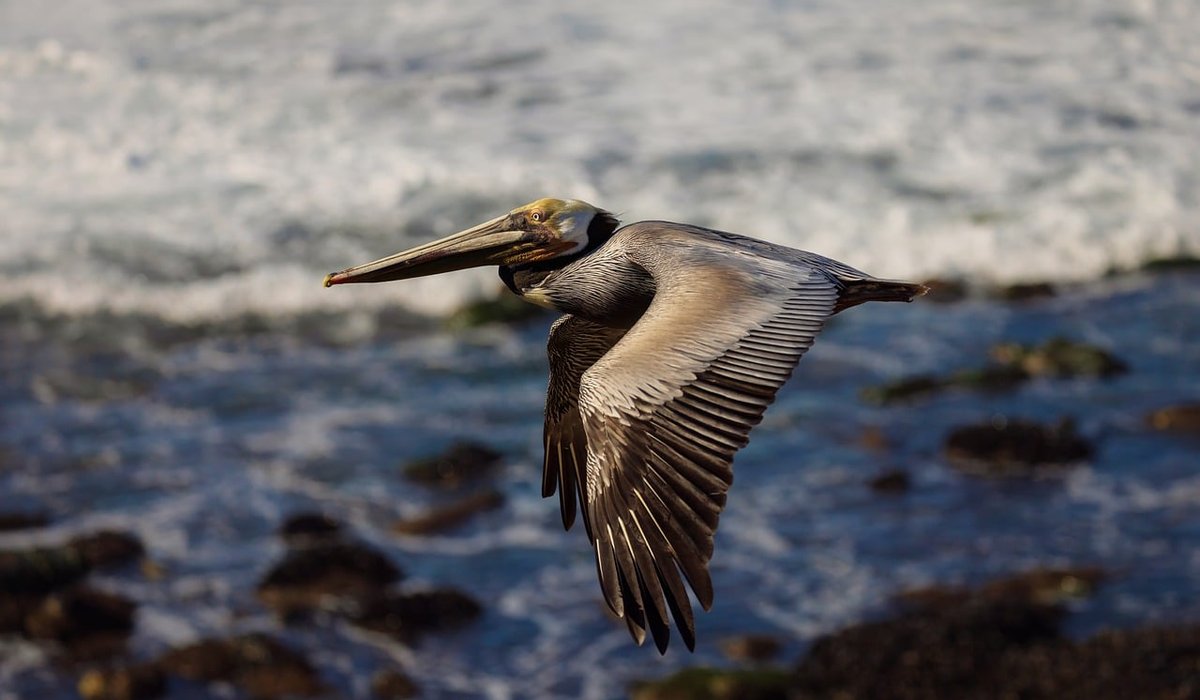
Few sights are more British than a gull wheeling over a windswept promenade or squabbling for chips on a harbour wall. We tend to take them for granted, yet the herring gull is on the red list of conservation concern, and the birds we see every day are quietly in decline. So when you come across one that is clearly hurt, it is worth knowing what actually helps and what makes things worse.
Stop, Look and Assess from a Distance
Resist the urge to rush in. A gull that is standing, walking or shuffling away from you is often not as badly off as it looks, and chasing it will cost the bird energy it cannot spare and may push it into traffic or the sea.
Watch quietly from five or six metres away for a few minutes. Ask yourself:
- Is it holding a wing at an odd angle, trailing a leg, or dragging itself along the ground?
- Is there visible blood, a dangling limb or a wound on the body?
- Has it been in the same spot, head down and unresponsive, for a long time?
- Could it be a fledgling? Young gulls on the ground in summer are usually fine. The parents are almost certainly watching from a nearby roof and will feed it.
If the answer to any of the first three is yes, the bird needs human help. If it is simply a scruffy juvenile on the pavement, walk on and leave it in peace.
Safety First: Your Hands, Their Beak
Gulls are powerful, intelligent birds with sharply hooked beaks, and a frightened one can deliver a painful peck or rake you with its claws. Never handle a bird with bare hands if you can avoid it, and never handle one at all if you have an open cut on your hand.
If it is safe to approach, put on thick gardening gloves and use a large towel to cover the bird, starting over the head to calm it. Work from behind where possible, and keep the wings folded against the body rather than pinned tight against your own chest, which can restrict its breathing.
The Dark Box Method
Containment is the single most useful thing you can do. A quiet, dark space reduces stress, lowers the bird's heart rate and stops it thrashing about and damaging itself further.
- Line a sturdy cardboard box with an old towel to give grip.
- Make ventilation holes in the sides, not the lid, so light does not pour in.
- Place the wrapped bird gently inside, fold the towel loosely over it, and tape the box shut.
- Keep the box somewhere quiet, warm and out of direct sun, at normal room temperature. Airing cupboards, hot cars and radiators are all too warm.
Do not put a gull in a wire cage, cat carrier with a see-through door, or anything it can see out of. Do not leave the box outdoors where a cat or fox can reach it.
What Not to Do
Well-meaning mistakes cause more harm than good here.
- Do not feed or water it. An injured bird cannot swallow safely and can easily inhale food or liquid into its lungs.
- Do not offer bread, milk or scraps. Milk is not digestible for birds, and bread has no useful nutrition. A short fast is far safer than a wrong meal.
- Do not try to splint, bandage or set a wing yourself. You will almost certainly do more damage, and a badly wrapped wing can lose circulation.
- Do not give any medication. Human painkillers are toxic to birds.
- Do not keep it as a pet or "see how it goes" for days. All wild birds in the UK are protected by law, and a gull in a box at home needs professional care within hours, not weeks.
One important modern caveat: if you find several sick or dead gulls together, or a bird that seems weak and disoriented rather than obviously injured, do not pick it up. Avian influenza has affected seabirds in recent years, and the correct action is to report it to the national bird flu reporting line and keep pets and children well away.
Getting the Bird to Professional Care
Once the bird is boxed, ring a local wildlife rescue centre or rehabilitator first. They will tell you whether they can take it and how to transport it. Your nearest vet practice is a good second call: a vet has a professional duty to relieve the suffering of a wild animal brought to them, and most will provide emergency first aid, often at no charge, before passing the bird on.
In coastal towns, the council's animal welfare officer can also point you in the right direction. If the bird has clearly been shot, trapped or deliberately harmed, report it to the police on the non-emergency number, as this is a wildlife crime.
On the journey, keep the box level, out of the sun, with the radio off. Place it on the floor behind a seat rather than on your lap, and resist the temptation to open the lid and check on the bird. Every peek adds stress.
Beyond the Rescue
Most gulls brought in for care are casualties of our own world: tangled in fishing line, hit by cars, poisoned by rodent bait or caught on hooks left on piers. Simple habits make a real difference. Take litter home, cut loops of plastic and line before binning them, and keep dogs on leads around feeding flocks.
Gulls are not villains. They are resilient, sociable birds doing their best in a landscape we have shaped. Giving one a quiet box and a lift to someone who knows what they are doing is a small, genuinely useful act.


From herring gulls to kittiwakes, this introduction covers the main gull species you are likely to see around Britain.
Gulls use a range of calls to warn, beg and bond. This guide explains the most common sounds you will hear.
Simple camera settings and fieldcraft tips for capturing sharp, dramatic images of gulls soaring above the coastline without expensive gear.
Even a small seaside balcony can attract birds with native plants, shallow water and sheltered nesting spots away from predators.